If you ask any Cairene where they were on January 28th, 2011, they won’t just tell you a location. They will tell you a story. They will tell you about the smell of vinegar and tear gas, the sound of a million voices merging into one static roar, and the exact texture of the fear that dissolved into the most intoxicating hope this city has ever known.
January 25 is not just a date on the calendar. For the people of Cairo, it is a line in the sand. There is the Cairo before, and the Cairo after.
History books will record the politics—the demands, the speeches, the resignations, and the chaotic years that followed. But the books often miss the human texture of the revolution. They miss what it felt like to walk through streets that suddenly belonged to no one and everyone at the same time. They miss the moment when a city known for its fragmentation, its traffic, and its relentless individual hustle suddenly stopped, looked in the mirror, and decided to become something else.
The Breaking of the Silence
The first thing we remember is the disbelief. Cairo is a cynical city; we are raised to believe that nothing truly changes, that the "system" is as permanent as the Pyramids. When the chants first started, they felt tentative. But as the crowds grew, pouring out of mosques and metro stations, merging like tributaries into a great river heading toward Tahrir, the cynicism cracked.
For the first time in generations, the fear barrier didn't just lower; it shattered. People looked at each other—strangers who would normally fight over a parking spot or ignore each other on the bus—and saw a reflection of their own suppressed dreams. The realization was electric: I am not alone. We are all angry. We are all hopeful.
The Republic of Tahrir
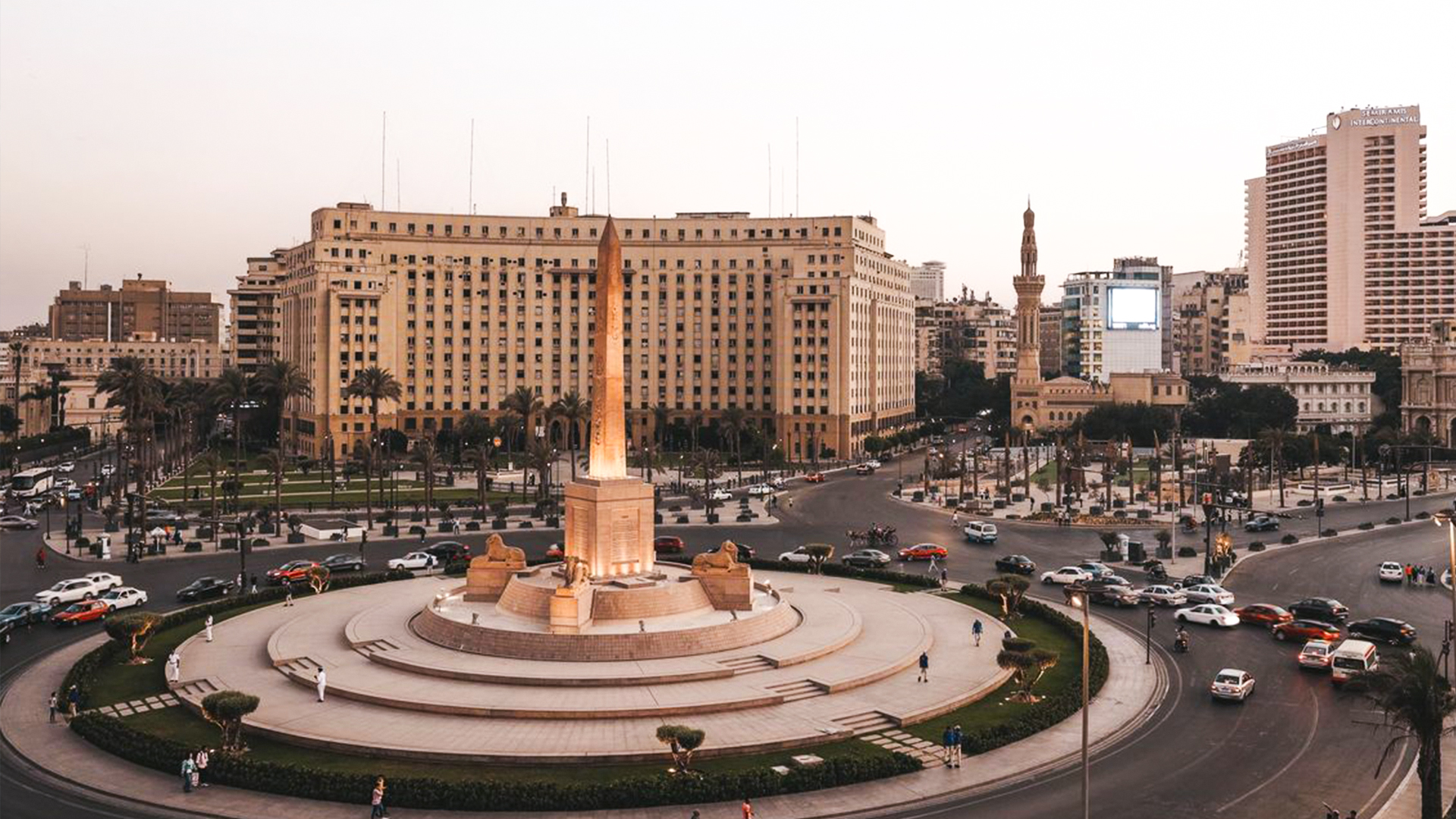
For eighteen days, Tahrir Square ceased to be a traffic circle. It became a utopian micro-nation. It was the best version of Egypt that we had always been told existed but had never seen.
In the middle of the chaos, there was spontaneous order. Doctors set up field hospitals on sidewalks. Artists turned pavements into galleries. People swept the streets—not because they were paid to, but because the streets felt like theirs for the first time. There was no harassment. There was no religious divide; Christians formed human shields for Muslims praying, and Muslims poured water for Christians washing tear gas from their eyes.
It was a window into what we could be. We learned that we were capable of discipline, of immense generosity, and of a creativity that had been dormant under layers of bureaucracy. The square was loud, messy, and dangerous, yet for those few days, it was the safest place in the world because it was held together by a single, unified purpose.
The Nights of the Committees
But the revolution wasn’t just in the Square. It was in the neighborhoods.
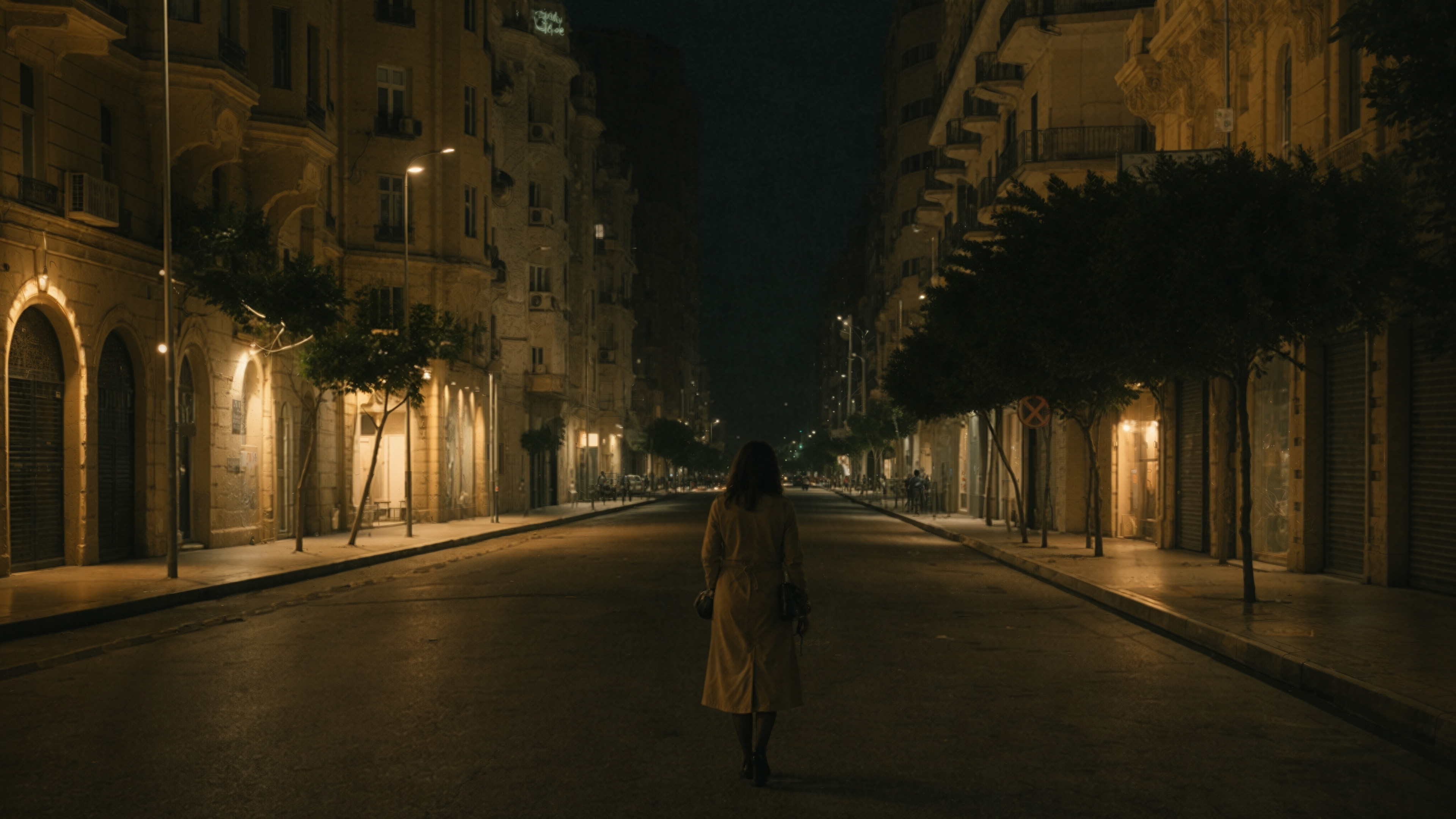
When the police withdrew and the prisons opened, a primal fear washed over the city. The streets were dark, empty of authority, and filled with rumors of thugs and looters. This could have been the moment Cairo collapsed. Instead, it was the moment the Popular Committees (Lijan Sha'abiyah) were born.
In Maadi, in Shubra, in Mohandessin, and in the alleyways of Imbaba, men and boys went down to the streets. They carried whatever they had—sticks, golf clubs, metal pipes. They built checkpoints out of burning tires and broken furniture. They checked IDs and guarded their homes.
These nights were terrifying, yes, but they were also deeply communal. Neighbors who had lived next to each other for years without speaking sat around fires, sharing tea and blankets in the biting January cold. We learned our neighbors' names. We learned to trust each other with our lives. The state had vanished, but the society remained, stronger than anyone expected. It was a lesson in self-reliance that no one who stood a shift at 3:00 AM will ever forget.
The Loss of Innocence
Of course, nostalgia filters the memory. We cannot talk about Jan 25 without talking about the pain. We lost friends. We saw things that cannot be unseen. The euphoria of the first eighteen days was followed by years of confusion, polarization, and exhaustion. The unity fractured. The clear lines between "us" and "them" became blurred.
Many of us are tired now. The energy of the youth who climbed the lampposts has settled into the weary pragmatism of adulthood. The Square itself has changed—renovated, sterilized, designed to be a monument rather than a gathering place. The graffiti that told the story of the revolution has been painted over in beige, the color of the status quo.
The Permanent Shift
But even if the graffiti is gone, the internal change remains.
January 25 changed the DNA of the Egyptian personality. It taught us that we have a voice. It taught us that the status quo is not inevitable. Even if the political outcome wasn’t what everyone dreamed of, the personal outcome was irreversible.
You see it in the way the new generation speaks—bolder, less willing to accept "that's just how it is." You see it in the explosion of art, music, and independent businesses that followed. The barrier of "impossible" was moved. We learned that the ground can shake.
We learned that we are not just residents of this city; we are its owners.
The Legacy
Today, January 25 is a complex anniversary. For some, it is a celebration of courage. For others, a reminder of lost potential. For the generation born after it, it is a history lesson they struggle to understand.
But for those who were there, who breathed the tear gas and the freedom, it is a secret code. It is a shared look between strangers when the date is mentioned. It is the memory of a cold winter night when the city stopped, held its breath, and finally, after decades of silence, screamed its name.
We may have left the square, but the square never really left us.