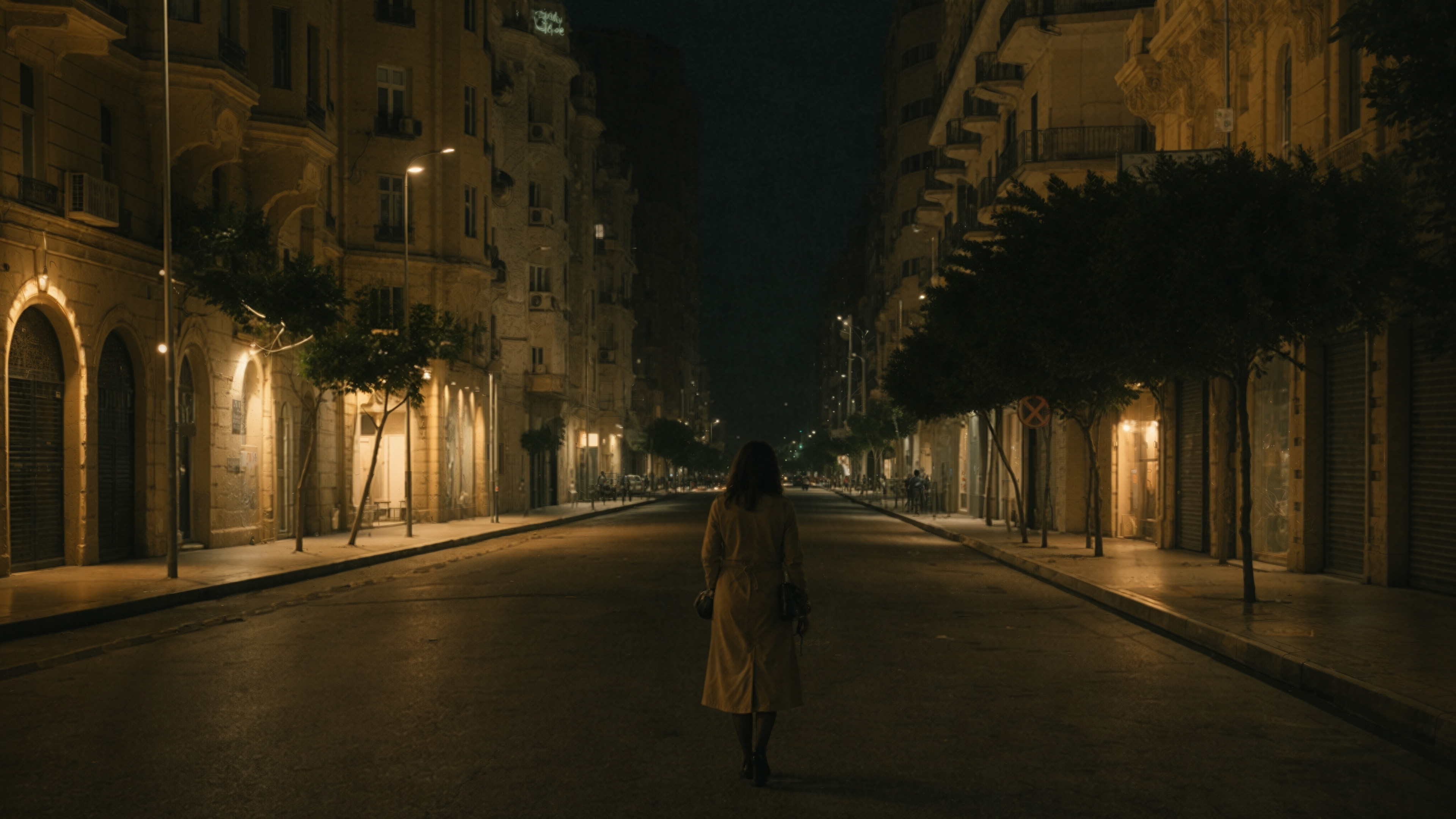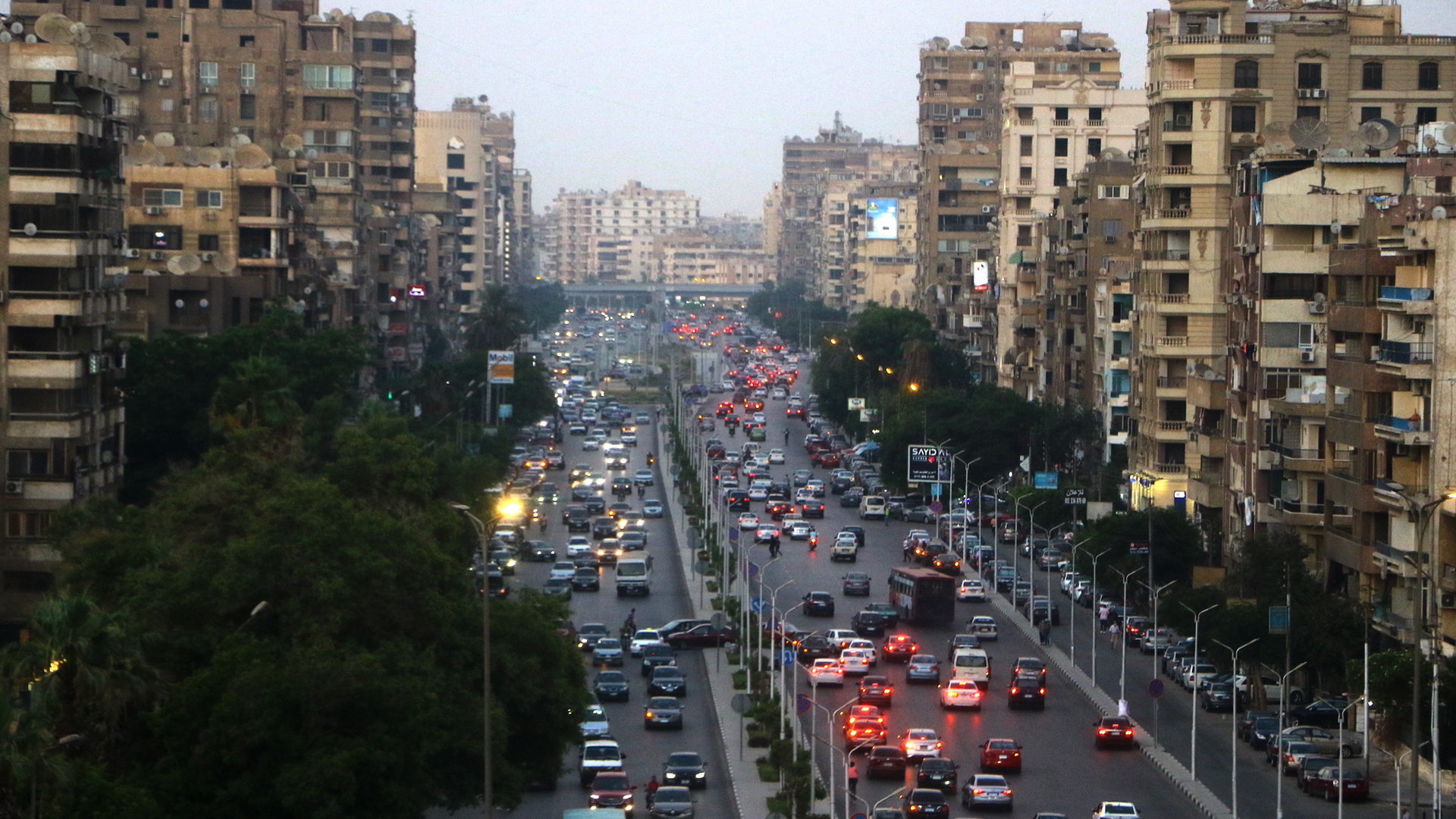
Cairo doesn’t sit you down and explain how life works. It doesn’t give you a syllabus, a manual, or a gentle orientation week. There is no onboarding process for living in this city. Instead, Cairo throws you straight into the deep end—into the middle of the noise, the movement, and the crushing weight of responsibility—and simply expects you to swim.
If you live here, you know the feeling. It’s the sensation of waking up not to an alarm clock, but to the collective hum of twenty million people already in motion. Living in Cairo means learning fast, adapting faster, and understanding that "hustle" here isn’t a hashtag or a trend borrowed from Silicon Valley tech bros. It’s a biological imperative. It is a way of survival.
The Morning Drill: A City in Perpetual Motion
From the moment the sun hits the smog over the Moqattam hills, Cairo is in a state of urgent negotiation. The streets fill before the light fully breaks. Look at the Ring Road at 6:00 AM; it is not a road, it is a bloodstream, pumping the life force of the city into factories, offices, and schools.
Shops open early, metal shutters rattling up like eyelids snapping open. People are already calculating their next move before they’ve finished their first tea. Time in Cairo feels different than anywhere else—it feels heavier, more viscous, and infinitely more valuable. You learn quickly that every hour wasted in traffic, every hesitation at a green light, and every missed opportunity costs something tangible.
The city teaches you the economy of movement. You watch the microbus drivers—the unspoken kings of the Cairo hustle. They navigate chaos with surgical precision, communicating with hand signals and aggressive horn blasts, fitting into gaps that physics says shouldn’t exist. They are the first teachers. They teach you that if you wait for a clear path, you will never move. You have to force the gap. You have to nudge your way in. In Cairo, space is not given; it is taken.
The Curriculum of Pressure
Cairo doesn’t teach hustle through motivation. You won’t find inspiration quotes plastered on the walls of the Metro. Instead, the city teaches through pressure. It is a hydraulic press that squeezes the naivety out of you.
Whether you’re a student commuting three hours daily from 6th of October to New Cairo, a worker juggling a 9-to-5 with a freelance gig, or a mother managing a household budget that shrinks as prices rise, the city forces you to become resourceful. This is the concept of Fahlawa—often mistranslated as trickery, but in reality, it is a high-level form of adaptability. It is the ability to solve a problem with a piece of wire and a prayer.
You learn to multitask not because it’s impressive on a CV, but because it’s necessary for akl el aish (eating bread/making a living). One income is rarely enough in a city that demands so much. One plan is never safe. You develop backups, side hustles, and alternatives without even realizing it. The engineer drives an Uber after work. The accountant sells homemade desserts online. The university student works shifts at a call center during finals week.
This is not the "glamorous hustle" of working from a beach in Bali. This is the grit of staying afloat. It is a refusal to sink. The city strips away the luxury of "one thing at a time." It demands that you be an octopus, keeping a hand on every aspect of your survival simultaneously.
Quiet Ambition and the Dignity of Effort
What makes Cairo unique, however, is that this ambition is rarely loud. It doesn't scream for attention. Real Cairo hustle is quiet, persistent, and incredibly dignified.
You see it in the Am (Uncle) running the street kiosk who knows the name of every person in the neighborhood and manages a supply chain entirely in his head. You see it in the fresh graduate wearing a suit in the scorching July heat, holding a CV in a plastic folder, wiping sweat from his forehead but refusing to look defeated. You see it in the delivery rider weaving through gridlock, his life balanced on two wheels, racing against an algorithm.
This hustle doesn’t come with applause. There are no LinkedIn posts celebrating the 14-hour shift of a factory worker. It comes with long days, tired bodies, and the constant, thrumming pressure to keep going. But there is a pride in it. It’s the pride of Soutra—the idea of being covered, of maintaining dignity, of not needing to ask for help.
People in Cairo hustle so they can stand tall. They work themselves to the bone not for a yacht, but for a stable home, for their children’s education, for the ability to put meat on the table on Fridays. The ambition is grounded in love and responsibility. It is noble because it is selfless.
The School of Negotiation
If the streets teach you movement, the interactions teach you psychology. Cairo sharpens your instincts like a whetstone.
The city teaches negotiation early. In Cairo, almost everything is a conversation. Prices are discussed. Time is bargained for. Opportunities are earned, not handed out. You learn how to read people, situations, and risks instantly.
Walk into a government building to renew a license, or try to fix a plumbing issue in an old apartment. You are immediately entering a high-stakes chess match. You learn when to be firm and when to be charming. You learn when to push and when to wait. You learn the power of a well-placed joke to diffuse tension. These are soft skills that no MBA program can teach.
You become alert. You develop eyes in the back of your head. You learn to spot a scam from a block away, but you also learn to spot genuine kindness. You learn that "tomorrow, God willing" usually means "not anytime soon," and you adjust your plans accordingly. This constant state of alertness makes Cairenes some of the most adaptable people on earth. Drop a Cairene in New York, London, or Tokyo, and they will figure out the system in a week. They have been trained by the master of chaos.
The Heavy Cost of Resilience
But we must be honest about the tuition fees of this school. This constant hustle comes at a cost.
Cairo can exhaust you. It can drain your battery until you are running on fumes. The pace is relentless, and the noise never truly stops. Burnout here isn’t a diagnosis; it’s a baseline state of being. You see it in the eyes of the commuters on the Metro at 5:00 PM—the collective glazed look of millions of people who have given everything they have to the day.
Rest feels earned rather than given. Weekends are not just for leisure; they are for recovery. There is a hardness that develops around the heart, a protective shell to keep the stress out. People get short-tempered. The horn honking becomes a language of frustration. The pressure to survive can sometimes eclipse the ability to dream.
Yet, even in exhaustion, people keep moving. Because stopping isn’t an option. The city is a treadmill that doesn’t have a pause button. If you stop, you fall off. So you keep running, fueled by tea, cigarettes, and an unshakeable belief that Bukra Ahla (Tomorrow will be better).
The Diamond in the Dust
Still, there’s something powerful about what Cairo builds. The city creates people who are resilient, practical, and grounded. People who can survive chaos, think on their feet, and carry responsibility early in life.
It builds character through repetition, difficulty, and unpredictability. It strips away entitlement. You realize very quickly that the world owes you nothing. If you want it, you have to go get it. You have to carve it out of the rock with your own hands.
In Cairo, hustle isn’t about luxury lifestyles or social media aesthetics. It isn’t about "grinding" for the sake of an image. It’s about stability. About dignity. About creating space for a better future, even when the present is demanding. The city doesn’t reward dreams easily, but it respects effort. It respects the person who wakes up every day and tries again, despite the traffic, despite the bureaucracy, despite the heat.
Cairo doesn’t motivate you with words. It trains you with reality. It is a tough teacher, perhaps the toughest. It is strict, loud, and often unfair. But if you can survive its lessons, you become unbreakable.
And whether you love it or fight it, Cairo shapes you into someone who knows how to move, adapt, and survive—without ever asking for permission. You become part of the city’s engine, another beat in its loud, chaotic, magnificent heart.