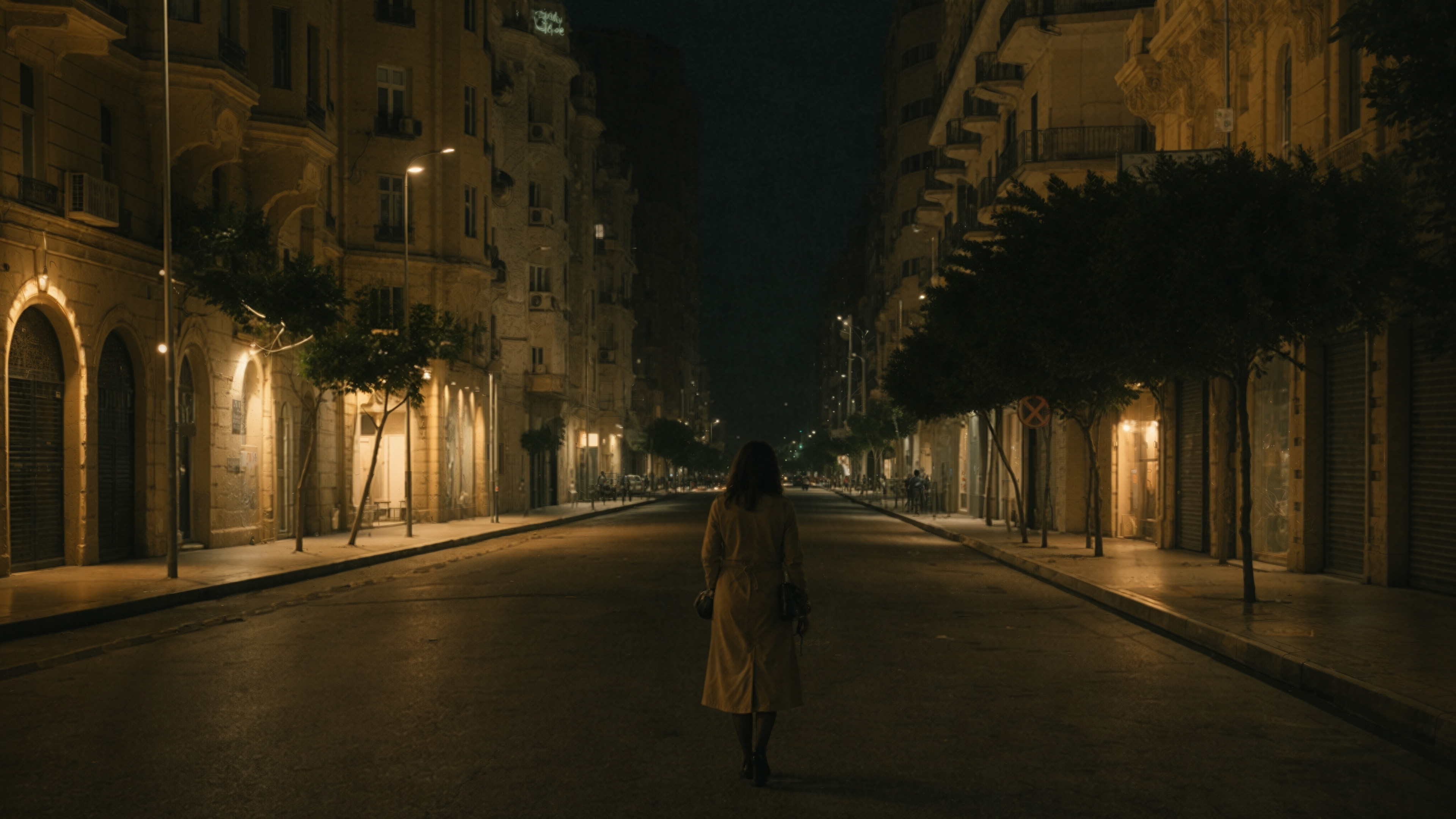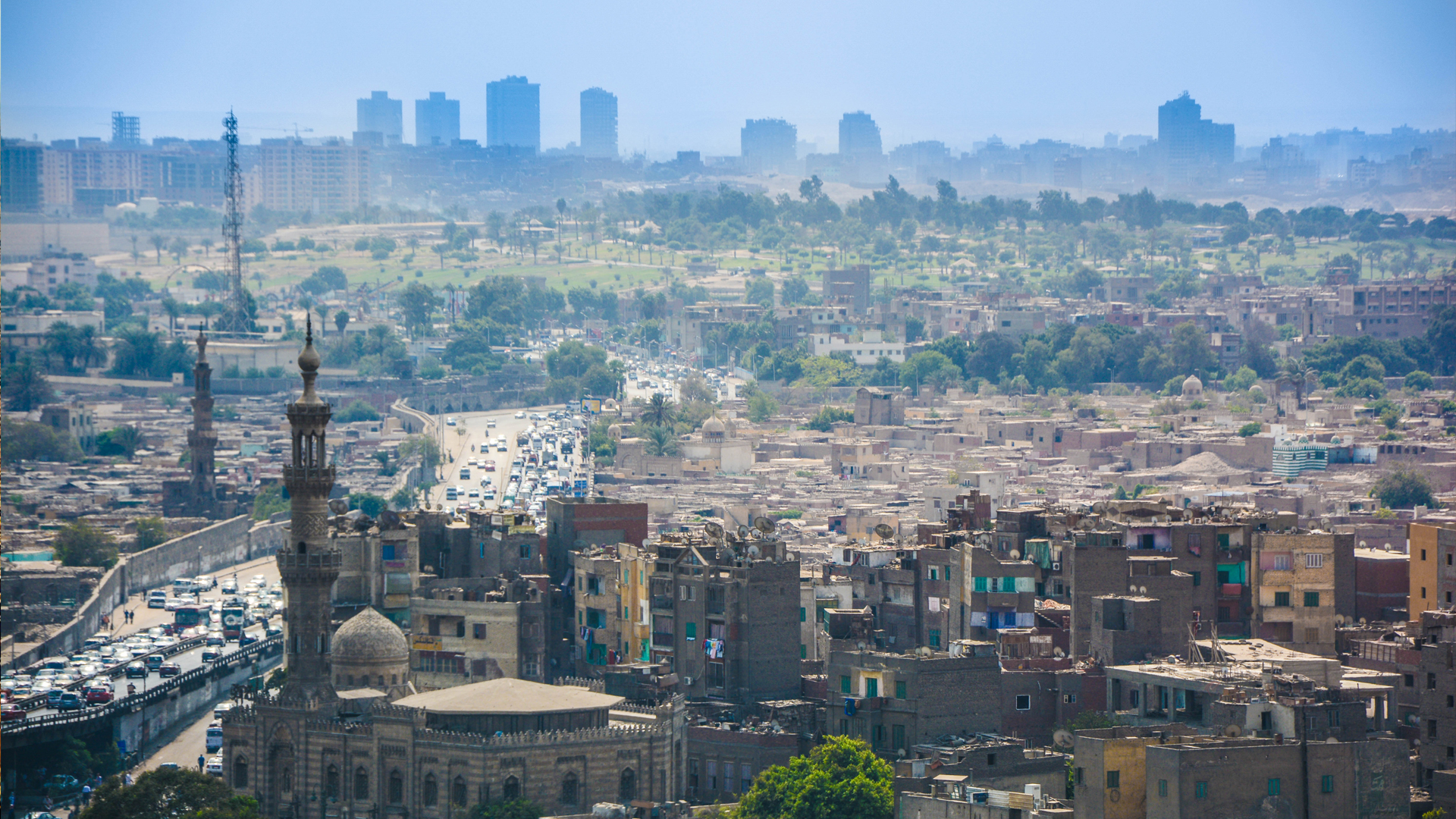
There is the Cairo of narrow streets, familiar faces, and buildings that remember more than we do. And there is the Cairo of wide roads, gated compounds, and cafés where everyone seems to be heading somewhere important. We call them Old Cairo and New Cairo, as if they are two different cities. But in reality, they are two sides of the same soul.
To understand Cairo is to understand a paradox. It is a city that is simultaneously decaying and being reborn, a place where the ancient and the hyper-modern do not just coexist but wrestle with one another daily. It is a city of dualities—noise and silence, dust and glass, chaos and curation. Yet, beneath these surface-level contrasts lies a singular, beating heart. Whether you are navigating the intricate, tangled alleyways of Sayeda Zeinab or cruising down the sterile, palm-lined boulevards of the Fifth Settlement, you are engaging with the same fundamental energy: a relentless drive to exist, to adapt, and to find meaning in the madness.
The Weight of Memory: Old Cairo
Old Cairo is where life happens out loud. Streets are never empty, conversations spill from balconies, and neighbors know your name whether you like it or not. Privacy is rare, but so is loneliness.
In the older neighborhoods—Shoubra, El Hussein, Sayeda, or even the aging heart of Heliopolis—the architecture of the city dictates the architecture of the soul. Here, the physical proximity of buildings forces a psychological proximity among people. You cannot ignore your neighbor when their laundry drips onto your balcony, or when their laughter (or argument) drifts through your open window at 2 AM. This lack of boundaries creates a specific type of social contract. It is a contract of shared burden. If someone falls ill, the whole street knows. If a wedding is celebrated, the asphalt itself becomes the dance floor.
People grow up learning how to share space, time, and even problems. You don’t walk alone in Old Cairo; you walk with memories, routines, and unspoken rules passed down through generations. There is a "code" here that isn’t written in any law book but is enforced by the collective gaze of the hara (alley). It’s a code of respect, of elder reverence, and of gad’ana—that untranslatable Egyptian virtue of standing by someone, of gallantry in the face of struggle.
In Old Cairo, time moves slowly but heavily. Every corner carries history—personal and collective. Buildings age with dignity, cafés hold the same chairs for decades, and stories are repeated until they become part of the place itself. Walk into an ahwa baladi (traditional coffee shop), and you are stepping into a time capsule. The tea is poured the same way it was fifty years ago; the dominoes slam against the table with the same rhythmic aggression. The patrons might change, but the archetypes remain: the wise elder, the ambitious youth, the weary worker seeking an hour of peace.
Life isn’t curated; it’s lived. Struggle is visible, but so is resilience. The walls of Old Cairo bear the scars of pollution, heat, and neglect, yet they stand. The people are the same. They don’t romanticize survival here—they master it. There is no filter on this reality. You see the butcher cutting the meat, the mechanic fixing the engine, the baker kneading the dough. Labor is visible, visceral, and loud. This visibility creates a grounding effect. You are constantly reminded of the machinery of life, of the effort it takes to keep the world spinning. It is exhausting, yes, but it is also deeply, undeniably real.
The Architecture of Ambition: New Cairo
New Cairo feels different. Quieter. Faster. More controlled. Streets are wider, homes are newer, and lives are designed with intention.
If Old Cairo is an inheritance, New Cairo is an acquisition. It is the physical manifestation of the Egyptian dream of upward mobility. Here, the urban planning reflects a desire for order, for a separation from the chaotic embrace of the Nile valley. The wide highways and manicured lawns are not just aesthetic choices; they are psychological buffers. They provide space—space to think, space to breathe, space to be an individual rather than just a part of the collective.
People move with purpose, schedules are tighter, and success feels closer—but also more demanding. In New Cairo, privacy is valued, silence is respected, and ambition is assumed. The walls here are high, not just to keep people out, but to keep a certain lifestyle in. The compound culture changes the texture of social interaction. Visits are planned days in advance; you don’t just "drop in." Interactions are filtered through security gates and reception desks. The spontaneity of the street is replaced by the intentionality of the venue.
Here, life looks polished. Cafés are workspaces, gyms are second homes, and progress is measured in upgrades—better jobs, better cars, better views. Walk into a specialty coffee spot in Tagamo, and you see a different tribe. Laptops open, noise-canceling headphones on, eyes scanning emails. This is a Cairo that speaks the language of the future, globalized and plugged in. It is a place where startups are born and where the hustle is digital rather than physical. It aspires to a standard that is international, sometimes at the cost of feeling local.
It is a Cairo that speaks the language of the future, even if it sometimes forgets the warmth of the past. The sterile beauty of glass facades and perfectly paved roads offers comfort, but it can also offer isolation. The silence of New Cairo can be peaceful, but for someone raised in the cacophony of the city center, it can also feel deafening. There is a loneliness here that is different from the solitude of Old Cairo. In the old city, you are never alone; in the new city, you have to work to find your community.
The Invisible Bridge: The Overlap
But the real story isn’t the difference—it’s the overlap.
We tend to speak of these two zones as if they are populated by different species. We act as though passing through the Ring Road tunnels transports you to a different dimension. But cities are made of people, not just concrete, and the people of Cairo are fluid.
Most people in New Cairo carry Old Cairo within them. In their reactions, their humor, the way they handle pressure, and the way they survive uncertainty. You can take the Egyptian out of the crowd, but you cannot take the crowd out of the Egyptian. The CEO in the glass office in the Business District still uses the slang of the streets. The sleek, modern apartment is still filled with the warmth of hospitality that demands you overfeed your guests. The mindset doesn’t disappear with distance. It adapts.
You can leave Old Cairo physically, but it follows you in how you negotiate, how you hustle, and how you endure. The survival skills honed in the traffic jams of Downtown are repurposed for the corporate boardrooms of New Cairo. The ability to read a room, to navigate bureaucracy, to find a "back door" or a solution where none seems to exist—this is the legacy of the old city. It is a grit that cannot be taught in business school; it is absorbed through the pores of the skin by simply living in the capital.
And many in Old Cairo look toward New Cairo—not with envy, but with curiosity. It represents possibility, movement, and a different version of comfort. A life where dreams feel structured, not improvised. For the young man in Shoubra, the lights of the Fifth Settlement represent a target. They are the proof that there is a "next level." New Cairo is the horizon. It is where you go when you have "made it," or where you go to try to make it. It is the testing ground for new ideas, new fashions, and new ways of living.
The Emotional Geography
The divide between the two isn’t geographical. It’s emotional. It’s about pace, not worth.
One teaches you how to survive; the other pushes you to evolve. Old Cairo teaches you patience. It teaches you that traffic will eventually move, that the power will come back on, that God is great, and that everything passes. It grounds you in the reality of the human condition. It forces you to look poverty, age, and decay in the face and find the beauty in them. It teaches you humility.
New Cairo teaches you urgency. It teaches you that time is money, that efficiency is a virtue, and that you are the architect of your own destiny. It challenges you to be better, faster, stronger. It removes the excuses of "the system" and places the burden of success squarely on your shoulders. It teaches you ambition.
One grounds you; the other challenges you.
We often fall into the trap of pitting them against each other. We say Old Cairo is "authentic" and New Cairo is "fake." Or we say New Cairo is "civilized" and Old Cairo is "backward." Both narratives are false. Authenticity isn't just crumbling walls and street carts; it’s also the honest pursuit of a better life. Civilization isn't just landscaping and order; it’s also the deep, messy web of community support found in the alleyways.
The Necessity of Duality
Cairo needs both.
Without Old Cairo, the city would lose its memory, its humor, and its deep understanding of human connection. The humor of Egyptians—that dark, sharp, lightning-fast wit—is born in the crushing density of the old city. It is a coping mechanism, a way to laugh at fate. If we lost that, we would lose the essence of who we are. We would become just another generic metropolis, efficient but soulless. We need the chaos to remind us that we are alive. We need the history to remind us that we are small.
Without New Cairo, it would lose its momentum, its ambition, and its belief in what could come next. A city that only looks backward is a museum, not a home. New Cairo provides the lungs for the city to breathe. It provides the canvas for the next generation to paint their own version of Egypt. It is the proof that we are not stuck, that we are capable of building, changing, and growing. We need the order to remind us of what we can achieve. We need the silence to hear ourselves think.
The Unified Soul
Cairo isn’t split. It’s layered.
Just as the modern city is built physically on top of the Mamluk, Fatimid, Coptic, and Pharaonic cities, our lives are built on layers of experience. We commute between these worlds daily, not just in our cars, but in our minds. We seek the efficiency of the new but crave the warmth of the old. We want the gated community, but we miss the neighbors. We want the Starbucks, but we need the ahwa.
Every layer adds depth, contradiction, and strength. And whether you grew up in crowded streets or quiet compounds, you carry the same thing: a city that shaped you to adapt, to push forward, and to never fully belong anywhere else.
To be a Cairene is to be a master of transitions. It is to know how to code-switch between the street vendor and the CEO. It is to know how to navigate a pothole with the same grace as a boardroom negotiation. It is to hold two opposing thoughts in your head at the same time: "I hate this place" and "I can never leave this place."
That is the ultimate truth of the city. It binds you. The polished surfaces of New Cairo might reflect the sun differently than the dusty stones of the Citadel, but the sun is the same. The heat is the same. And the people, beneath the layers of class and geography, are searching for the same things: dignity, connection, and a place to call home.
Because at the end of the day, Cairo doesn’t change who you are—it reveals it. It strips away your pretenses in the traffic, tests your patience in the queues, feeds your soul in the gatherings, and challenges your dreams in the silence. It is one soul, vast and contradictory, holding millions of stories that are all, undeniably, Cairo.