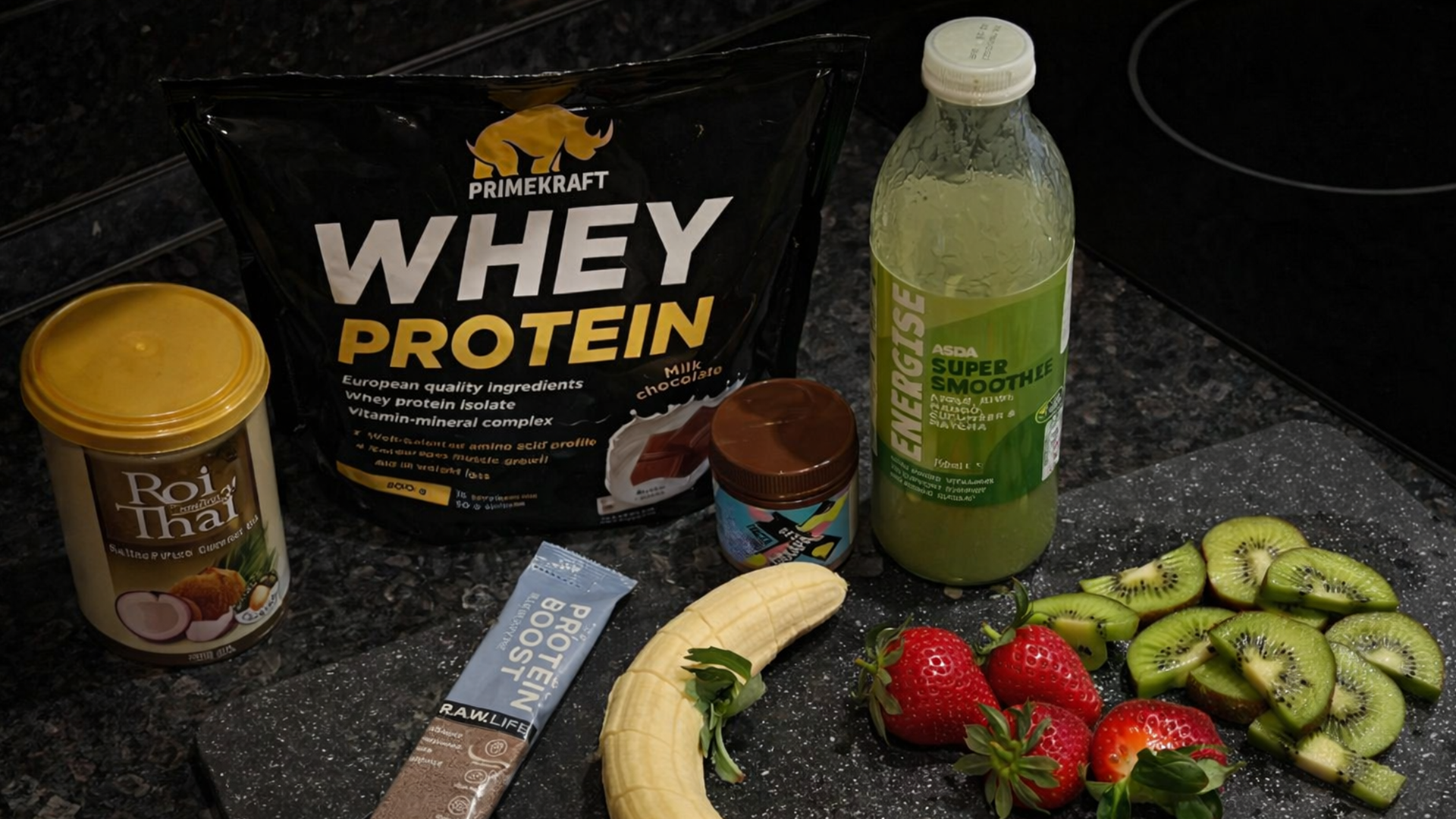
If you walk down a Cairo street at six in the morning, you’ll see them. The joggers in branded tracksuits, hair perfectly tied, earbuds blasting some playlist that says “I’m dedicated.” The smoothies in their hands aren’t just breakfast, they are a statement. The gym bag isn’t just a bag, it’s a badge.
For decades, Egyptians lived health differently. We moved because we had to: climbing stairs in buildings without elevators, carrying groceries across streets. We ate what was available, celebrated with food, and survived summer heat without fancy hydration bottles. Health was functional, practical, and rarely a topic of Instagram posts.
Now, something has changed. Suddenly, being healthy is prestigious. Egyptians began to do it to be seen doing it not to actually enjoy it. Not just eating granola or going to Pilates. It’s about being seen doing it. It’s about posting a smoothie bowl at sunrise, or sharing a gym selfie with the caption, “Consistency is key.” And yes, in Cairo, this prestige sometimes overshadows the purpose of health itself: your body.
The Rise of Prestige Health
We’ve always admired success in Egypt, the flashy car, the branded bag, the well-timed vacation photos. Now, wellness has become another currency. The people we see on our feeds are not always running for their hearts, bones, or longevity. They are running for likes, for followers, for a type of respect that comes not from the body’s strength but from how healthy you look while being seen.
It’s a subtle change. And one that most of us participate in without realizing. We buy expensive almond milk, imported avocado, and keto-approved chocolate. We avoid street food that we once devoured with reckless joy. Not because we truly feel it benefits our bodies. But because, suddenly, eating that way signals discipline, taste, refinement, sophistication.
This isn’t just Cairo or Egypt. Instagram, TikTok, and social media culture have globalized prestige health. But in Egypt, it comes with unique layers. We’re a society where image has always mattered and now health has joined the list of things to perform.
When Health Becomes Performance
I’ve spoken to people in gyms, in juice bars, in the quiet corners of upscale supermarkets. The pattern is the same: “I started eating clean, but mostly because I see a lot of interesting people in my feed do it”
This isn’t judgment. It's an observation. Because performance is exhausting. And it changes the way we interact with health itself. Fitness becomes a timeline, a series of posts, a weekly ritual that proves something, but often proves very little to the person inside the body.
Take the smoothie bowl. Once, it was just fruit. Now it is fruit artfully arranged, sprinkled with seeds, photographed at the perfect light. The calories, the macros, the Instagram angles, more effort goes into showing it than in digesting it.
Or the gym selfie. The muscles are real. The movement might even be real. But the motivation? Half the time, its prestige. The goal is not strength or endurance, it is recognition. Approval. Social currency.
And yet, this is layered, and paradoxical. People genuinely care about their health to a degree. But the line between caring for the body and performing for others is blurry, sometimes invisible.
The Weight of Perception
In Cairo, perception is heavy. We are raised to be aware of who is watching, who is judging, who will whisper. We dress for the streets, the office, the coffee shop and now, we eat and move for them too. Eating a salad at a family iftar can feel like a statement: I’m disciplined, I’m refined, I’m modern. Skipping the rice and fried chicken that everyone else digs into isn’t just a dietary choice, it’s a signal.
But here’s the irony: in trying to show that we are healthy, we sometimes ignore what our bodies actually need. We cut carbs because someone else said so. We drink almond milk instead of water. We buy the trendiest yoga mat because our feed demands it. The body becomes a prop. Wellness becomes an aesthetic.
And yet, the body always knows. Cairo heat, late nights, sugar-laden teas, and little sleep, these truths do not care about hashtags. The social performance of health cannot substitute for real nutrition, rest, or movement.
A Generation Shaped by Prestige
So why now? Why is health suddenly a prestige marker in Egypt?
Part of it is global influence, wellness bloggers, Instagram reels. But part of it is Cairo itself. Our streets are full. Our lives are public. We are a city that performs constantly, whether we notice or not. Prestige health fits neatly into this framework.
You see it in the cafés. Avocado toast plated like fine dining. Protein smoothies at 9 a.m. in perfectly Instagrammable glasses. Juice bars that look more like art galleries than functional spaces. Eating has become not just nourishment but social proof.
And social proof matters. Egyptians have always cared about appearances. But now, health is the new badge. And the new badge is expensive. It is time-consuming. It is a layer of stress we didn’t have thirty years ago.
Not All Performance Is Bad
Here’s the truth: performance can inspire. Seeing your friend commit to early morning runs can motivate you to move. Seeing someone meal-prep can push you to try healthier habits. But it becomes a problem when the why of health disappears, leaving only the who is watching.
In Egypt, this dynamic is complicated. Family expectations, social hierarchies, peer influence, all these make it harder to disentangle genuine care for the body from the desire to be seen caring.
We want to be strong, yes. But we also want to be admired. And sometimes, admiration becomes louder than strength itself.
The Real Cost
When health is prestige, there are costs beyond Instagram likes. Stress, shame, guilt, and disconnection from the body become side effects.
People skip meals to post photos. Others overtrain to match someone else’s routine. Anxiety creeps in: Did I drink enough water today? Did I do enough yoga? Did I post my smoothie?
In Egypt, where life itself can be chaotic. Traffic, work, family obligations.. Adding the pressure to perform health is heavy. It is another standard to meet, another stage to be seen on, another way to compare yourself to others.
And sometimes, this invisible pressure is cruel. Because no one tells you it’s okay to be just healthy for your body. That wellness can be quiet, private, and invisible. That your heart can be strong without anyone else knowing.
A Way Back to the Body
So how do Egyptians reclaim health for themselves? How do we make wellness about strength, endurance, vitality, not prestige? Start small, start private. Morning walks. Home-cooked meals. Drinking water. None of it needs to be posted.
Listen to your body. Your body will not forgive ignoring cramps, fatigue, or dehydration.
Redefine success. Fitness is not a badge. A smoothie is not proof. Strength, flexibility, and mental clarity are.
Move with joy. Dancing at home, playing football, walking instead of stressing about steps on a watch.
Talk openly. Share real struggles. Admit when stress or diet slips. Normalize imperfection.
Cairo is a city that moves fast, talks loud, and performs endlessly. But wellness does not have to follow the same script.
Prestige Can Wait
The truth is, Egyptians will always admire discipline, beauty, and visible effort. But true health is quieter. It happens inside. It happens over years. It happens when no one is looking.
Next time you see someone sipping an almond latte at sunrise or holding a perfectly balanced salad, remember: the body doesn’t care about prestige. The body cares about consistency, nourishment, rest, and movement.
And maybe health in Egypt will become something we do for ourselves, not for the city watching us, not for Instagram, not for prestige