How reform studio wove a future our of waste
If Cairo has a "national bird," it isn’t the eagle; it’s the black plastic bag.
You see them everywhere—stuck in the branches of trees in Maadi, floating like jellyfish in the Nile, or tumbling like tumbleweeds across the Ring Road. For most of us, these bags are just background noise, a symbol of the city's chaotic consumption and waste problem. We step over them, complain about them, and then forget them.
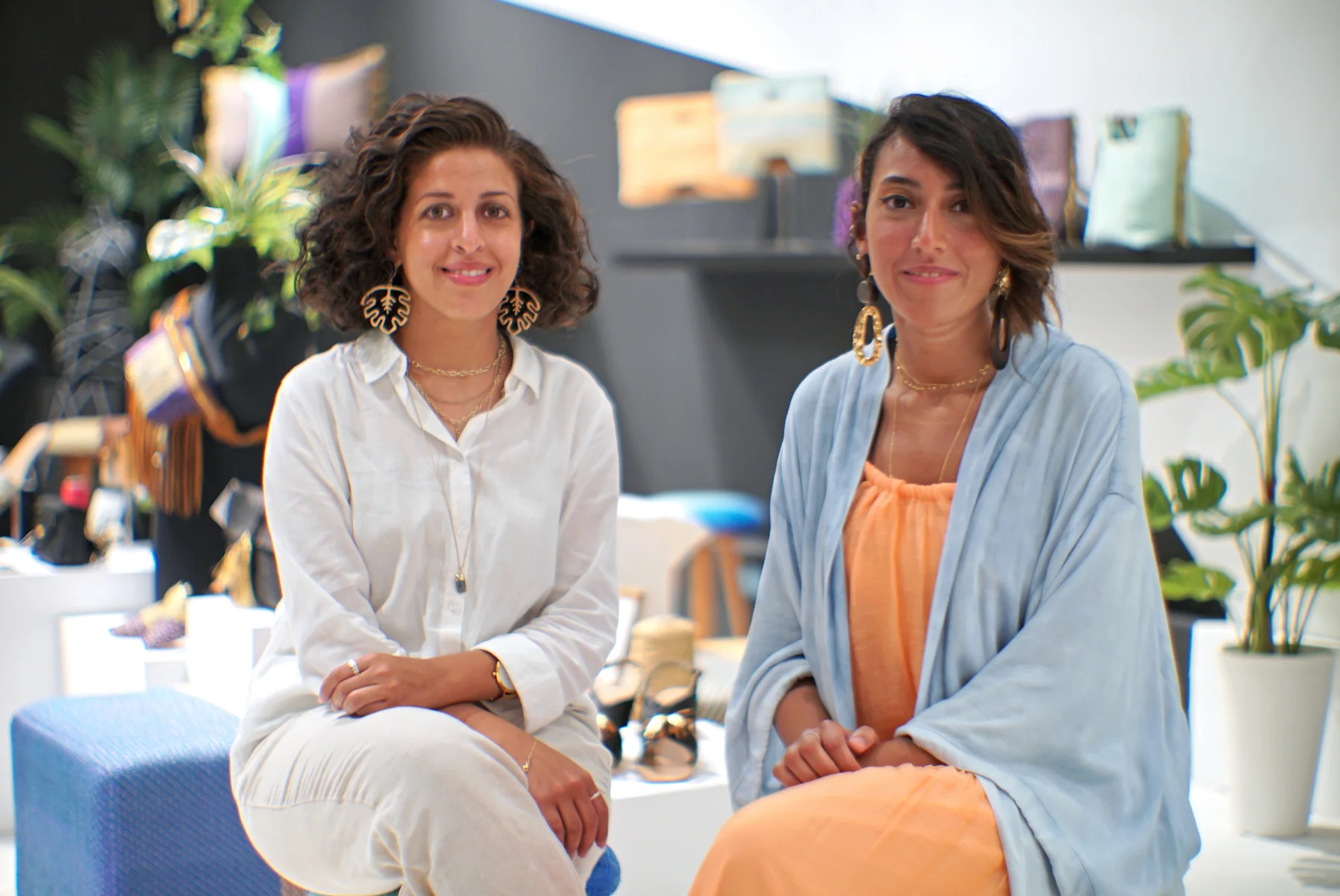
But in 2012, two university students, Hend Riad and Mariam Hazem, stopped stepping over the trash. They picked it up. And where the rest of the city saw garbage, they saw gold.
The Invention of "Plastex"
The story of Reform Studio is a classic Cairo tale of taking a massive, ugly problem and forcing it to become a solution.
Fresh out of the German University in Cairo (GUC), Hend and Mariam were tasked with finding a solution to Egypt’s waste crisis. The numbers were terrifying: Egyptians consume billions of plastic bags a year. They clog our drains, poison our soil, and take a thousand years to decompose. Recycling them is expensive and energy-intensive.
So, the duo asked a radical question: What if we don't destroy the plastic? What if we treat it like a precious material?
They didn't melt the bags down. Instead, they returned to one of Egypt's oldest technologies: the handloom (The Nol). They developed a method to sterilize the bags, cut them into thin threads, and weave them into a durable, colorful fabric they called Plastex.
Reviving the Loom
This is where the story shifts from "environmental project" to "social revolution."
To weave this new material, Hend and Mariam didn't build a factory full of robots. They went looking for the old masters. They sought out the traditional weavers of Egypt—a dying breed of craftsmen whose livelihoods were being wiped out by cheap, machine-made textiles.
It was a clash of two worlds. On one side, young designers with a crazy idea to weave trash. On the other, elderly artisans who had spent their lives weaving cotton and silk.
At first, the weavers were skeptical. You want us to weave garbage? But once they touched the material, something clicked. The loom doesn't lie. The plastic threads were strong, colorful, and malleable. Suddenly, dusty workshops that had been silent began to click-clack again.
Reform Studio didn't just recycle plastic; they recycled an entire industry. They gave these craftsmen a new relevance, a steady income, and a sense of pride. They proved that the old ways could solve the new problems.
From the Dumpster to the Living Room
Today, Reform Studio is a globally recognized brand. Their chairs, rugs, and bags aren't sold as "charity" items; they are sold as high-end design. They have won international awards and even collaborated with IKEA, putting Egyptian "trash" in living rooms around the world.
When you sit on a Reform chair, you are sitting on hundreds of plastic bags that would have otherwise ended up in a landfill or a turtle's stomach. But you don't feel the trash. You feel the texture of resilience. You see the vibrant colors of Cairo—the bright pinks, blues, and yellows of the bags we use to carry our bread and groceries.
The Lesson for Cairo
Hend and Mariam’s success is a lesson for every entrepreneur in the city. They didn’t wait for the government to fix the waste problem. They didn't wait for a grant or a perfect scenario. They looked at the ugliest part of their reality and asked, "How can I make this beautiful?"
They represent a new generation of Cairenes who are done complaining about the chaos and are ready to curate it. They remind us that "luxury" isn't about imported leather or Italian marble. Real luxury is the intelligence to see value where no one else does.
In a city that produces so much waste, Reform Studio proved that nothing is truly useless—it’s just waiting for the right hands to weave it into something new.