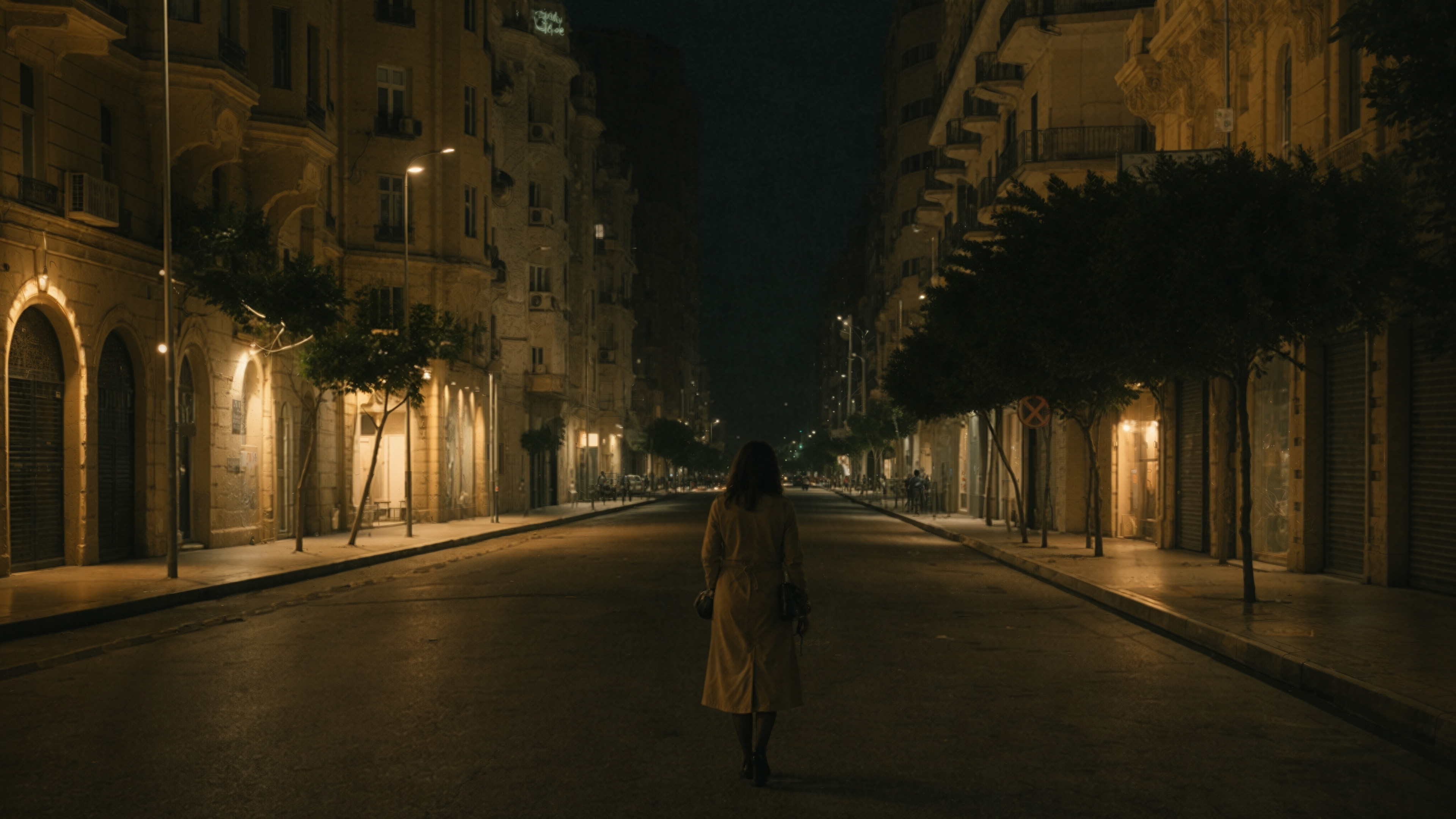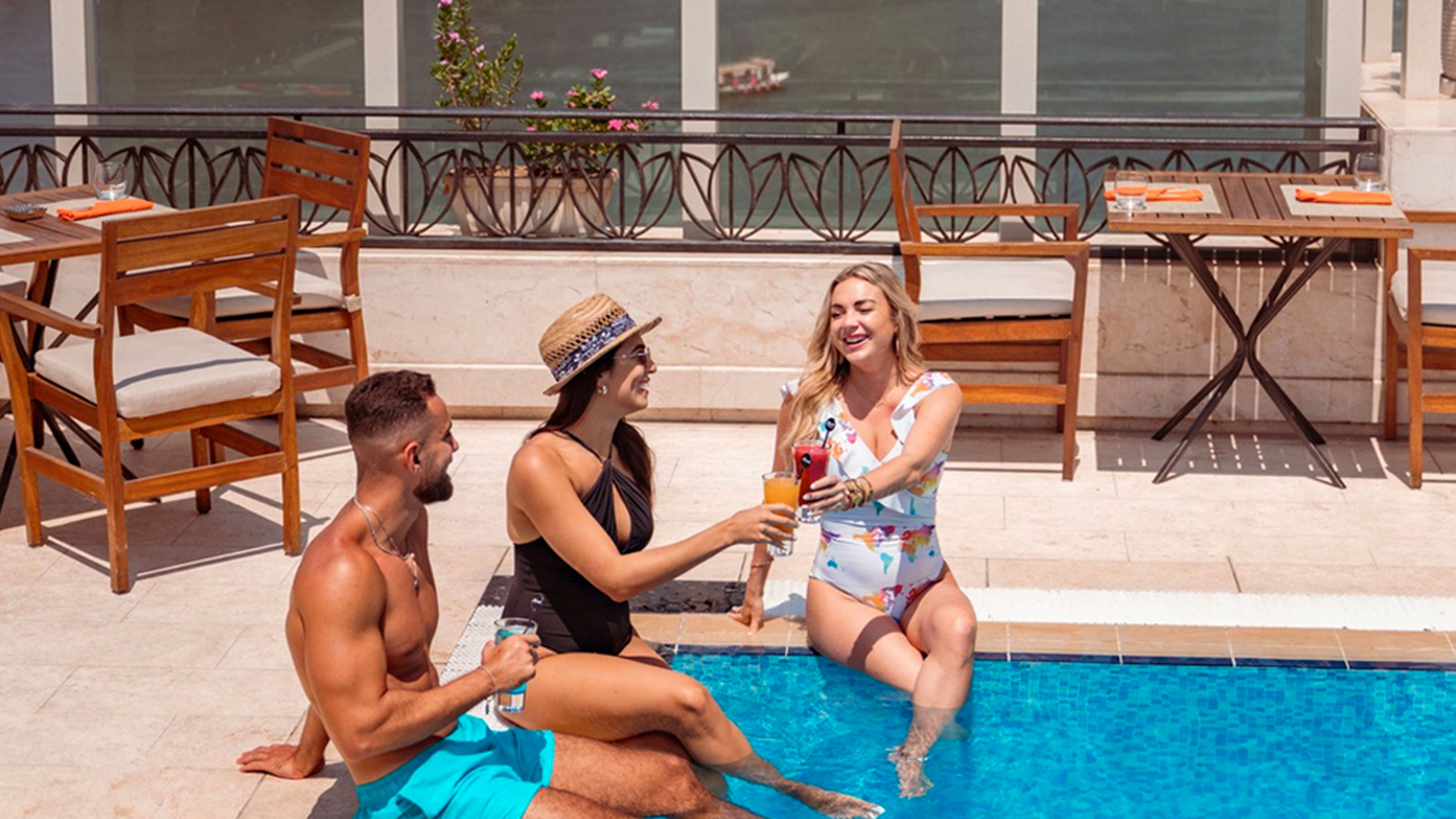
It begins on a Thursday afternoon — inboxes close, engines start, playlists hum. The city exhales.
Cairo’s most ambitious minds — founders, creatives, diplomats — pack their linen shirts and leather notebooks, trading deadlines for desert air.
But this isn’t a holiday in the traditional sense.
It’s a migration — a ritual retreat into places that make the noise stop and the world feel whole again.
“We travel not to disconnect,” says Mariam El Batrawy, creative director at a global design firm, “but to remember what it means to feel.”
1. The Era of Intentional Escapes
Across Egypt, a new kind of travel culture has emerged — one rooted in intention, not indulgence.
From the turquoise edges of Fouka Bay to the golden silence of Tunis Village, Cairo’s elite are redefining luxury as space.
It’s no longer about five-star rooms or infinity pools; it’s about presence.
In a world of excess, stillness has become the new extravagance.
“Time is the only real luxury,” says Karim Helmy, co-founder of a venture fund. “And travel is how I reclaim it.”
The new weekend migration is subtle, almost sacred. Phones off, horizons wide, dinners under quiet skies.
No longer about being seen — but about seeing again.
2. The Rise of the Boutique Escape
The old resorts of the North Coast, once echoing with parties, have given way to boutique sanctuaries that trade excess for essence.
At Casa Cook El Gouna, guests move barefoot between sea and sand, the design whispering more than it declares.
At Somabay’s The Cascades, sunrise yoga replaces nightlife.
In Fouka Bay, villas open directly onto silence — no music, just the sea.
“We design experiences for people who already have everything,” says Laila Kamel, hospitality consultant at Tatweer Misr. “What they want now is nothing.”
Every property seems to tell the same story — simplicity as sophistication.
Earth tones, local materials, handwoven linens, menus written by hand.
A return to texture, to touch, to humanity.
3. Fayoum: The Artist’s Desert
Two hours from Cairo, the Fayoum oasis has become the city’s spiritual backyard.
Here, the desert meets the lake in silence so complete it feels like a mirror.
Tunis Village has long been a haven for potters and painters. Now it attracts CEOs and creatives looking for stillness that doesn’t feel staged.
“There’s no service here, no signal, no schedule,” says Farida Wahby, founder of Fayoum Art Retreats. “That’s why people love it.”
Each weekend, a quiet migration unfolds — SUVs pulling up to clay lodges, hammocks swaying under olive trees. Inside, time slows. People sketch, cook, walk barefoot.
“Fayoum gives you the gift of absence,” says Farida. “And from that, you rediscover presence.”
4. Alamein: The Design Coast
On the other side of Egypt, New Alamein is emerging as a paradox — futuristic yet human.
It’s a place where architects and investors come to unwind, where work meetings happen barefoot on terraces overlooking endless blue.
Among its design-led developments, Marassi and Swanlake North Coast have evolved from summer escapes to year-round sanctuaries. Their homes, once trophies, now feel like temples of minimalism.
“We’re not building second homes,” says Hassan Allam, developer and art collector. “We’re building first lives — quieter, slower, more aware.”
Every design detail — curved walls, filtered light, raw materials — invites introspection. Alamein has become less a resort, more a refuge.
5. Sinai: The Pilgrimage of Solitude
Far from the manicured perfection of the coast, Sinai remains Egypt’s rawest teacher.
From Dahab’s Blue Hole to Ras Shitan, travelers come here not to rest but to release.
“Sinai is therapy without language,” says Nour El Sabry, a Cairo-born artist who spends half her year in Nuweiba. “It humbles you.”
Wooden huts, bonfires, hammocks, and moonlit sea — the simplicity is intentional.
There’s no pretense here, no curated minimalism. It’s rough, real, and transformative.
In this stripped-back existence, Cairo’s overachievers find what they can’t buy: peace that isn’t branded.
“You don’t find yourself here,” Nour says, smiling. “You lose what you were never meant to carry.”
6. The Aesthetic of Stillness
Across these destinations, one thing ties everything together: design that honors emotion.
Egypt’s new escapes — from Le Sidi in the North to Adrère Amellal in Siwa — share an aesthetic of silence as form.
Walls of sand-colored plaster. Hand-carved furniture. Light that falls like prayer.
Every element is meant to calm the senses.
“Minimalism here isn’t imported,” says Rami Nassar, architect of Baymount Galala. “It’s ancestral. It’s how Egypt always lived — close to earth, far from noise.”
The result is a visual and emotional language that feels inherently Egyptian — timeless, tactile, honest.
7. Travel as Self-Restoration
For Cairo’s elite, travel has shifted from consumption to restoration.
Wellness has matured beyond yoga mats and smoothies — it’s about alignment.
Private villas in Soma Bay now offer silent breakfasts, art therapy, and desert meditations. Almaza Bay hosts “slow weekends,” where guests surrender phones for 48 hours.
Even developers have taken note — “mindful architecture” is now a buzzword in real estate pitches.
“The new traveler isn’t escaping stress,” says Amr Farouk, hospitality developer. “They’re escaping simulation.”
8. The Return of Road Trips
Amid all the curated luxury, a quieter subculture thrives — the road trip.
Groups of young professionals and artists drive from Cairo to Marsa Matrouh, Siwa, or Fayoum, rediscovering the beauty of the in-between.
The stops are spontaneous: a gas station espresso, a photo at an empty horizon, a sunset playlist shared through half-working Bluetooth speakers.
“The trip is the destination,” laughs Omar Khedr, founder of Lekela Experiences. “Egypt’s roads teach you patience and poetry.”
In these unplanned journeys, Egypt’s most structured minds rediscover something rare — surrender.
9. The Economics of Escape
This migration has also birthed a new boutique travel economy.
Design-led hotels, eco-lodges, and wellness farms have multiplied, each blending sustainability with exclusivity.
According to Egypt’s Tourism Development Authority, 2025 saw a 19% rise in boutique hospitality ventures catering to “intentional travelers” — people who prioritize experience over exposure.
“The traveler we host doesn’t want a pool,” says Mona Gad, owner of EcoLodge Fayoum. “They want purpose.”
The industry is responding. New ventures like The Sanctuary Egypt in Ras Sudr offer art residencies alongside retreats. Soul Space in El Gouna combines breathwork and business coaching for founders.
Luxury, in this new world, has nothing to do with marble — and everything to do with meaning.
10. The Philosophy of Distance
There’s something ancient about the way Egyptians travel.
Unlike global jet-setters, they don’t go far — they go inward.
Every weekend migration is both departure and return.
A retreat into geography, yes — but also into self.
“I used to think peace was found abroad,” says Karim Helmy, gazing at the horizon of Fouka Bay. “Now I know it’s been waiting just two hours away.”
Cairo may never slow down, but its people are learning to.
And in their quiet escapes — desert sun, linen beds, still sea — Egypt’s elite are not running from their world. They’re learning to live beautifully within it.