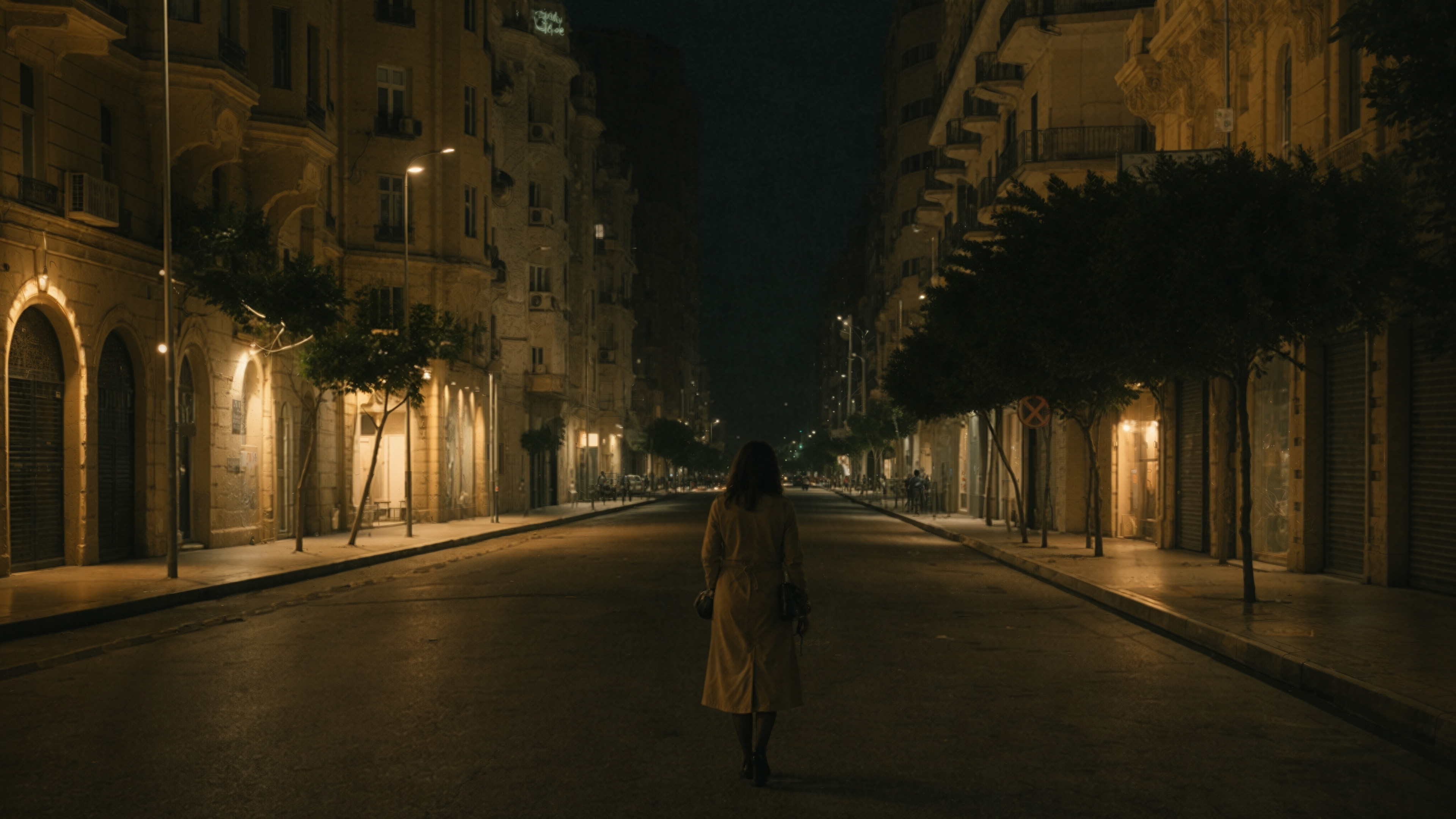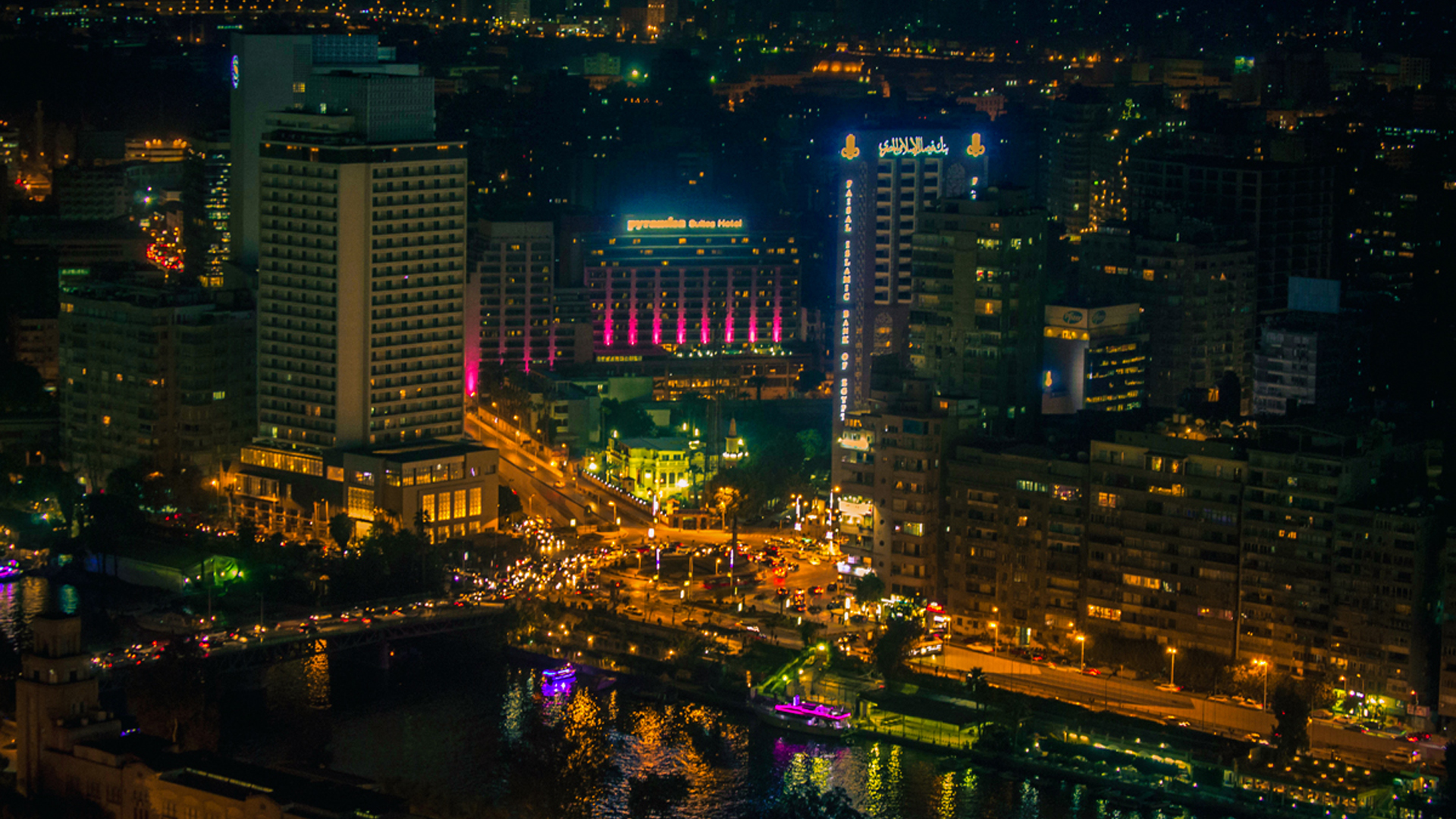
If you have ever stood on a balcony in Mohandessin or Downtown at 3:00 AM, you know this truth. The soundscape does not disappear; it merely shifts frequency. The aggressive, jagged honking of the rush hour softens into the rhythmic, steady hum of taxis prowling for fares. The shouting of street vendors is replaced by the murmur of late-night conversations drifting up from the ahwas (coffee shops). The city breathes, moves, and works with an intensity that would be considered a state of emergency in any other capital. But here, it is simply Tuesday.
In Cairo, night doesn’t mean rest. It simply means a different rhythm. It is a city that naps with one eye open, perpetually ready to jump back into the fray. This constant wakefulness is not a quirk of urban planning; it is the heartbeat of the culture, deeply tied to how the city functions and, more importantly, how its people survive.
The Logic of the Night
To the outsider, Cairo’s insomnia looks like chaos. To the local, it is a rational response to reality.
The day in Cairo is often a battle. It is a fight against the scorching sun, against the gridlock of the 6th of October Bridge, against the bureaucracy of daily life. The day belongs to the "system"—to the boss, the bank, the government office. The day is loud, hot, and demanding.
The night, however, belongs to the people.
For many, nighttime isn’t leisure; it’s opportunity. It is the only time the city becomes breathable. When the heat fades and the traffic loosens its chokehold, a second wind sweeps through the streets. This is when the real work happens for the informal economy that keeps Egypt running.
Shops stay open until the early hours, their neon signs flickering against the dust. Delivery drivers—the unsung heroes of the modern Cairo night—weave through the streets carrying everything from late-night shawarma to pharmacy essentials. Street vendors who spent the day hiding from the sun set up their carts, selling roasted sweet potatoes or tea to couples walking along the Corniche. Entire livelihoods depend on these hours. For the working class, the night is not for sleeping; it is for earning. It is the "second shift," the extra mile run to keep the family afloat.
Cairo never sleeps because it can’t afford to. Life here is expensive, demanding, and relentless. When daylight hours are swallowed by traffic and obligations, the night becomes a second chance. A chance to earn more, catch up, or simply exist without rushing.
The Social Contract of Insomnia
But this lifestyle shapes more than bank accounts and schedules; it shapes the very soul of the people.
Cairo’s residents grow up learning to function on a sleep deficit that would hospitalize a European. We adapt to long days and even longer nights. Coffee—thick, dark, and sugary—is not a beverage here; it is a companion. It is fuel. Fatigue becomes a familiar feeling, a background noise that we learn to ignore. Over time, Cairenes develop a strange resilience, a biological ability to keep going even when the body asks for a pause.
This nonstop pace builds a unique social culture. In many parts of the world, calling a friend at 11:00 PM is an emergency. In Cairo, it’s a plan.
Nights here are communal. The concept of "home" expands to include the sidewalk, the café chair, and the parked car where friends sit for hours eating sunflower seeds. Families gather late; it is not uncommon to see toddlers playing soccer in the streets of Sayeda Zeinab at 1:00 AM while their parents watch from the sidelines.
There is a profound comfort in this collective insomnia. The city feels most alive when the rest of the world would be asleep. There is a safety in the noise. You are never truly alone in Cairo. If you walk down a street at 2:00 AM, there is always a doorman (Bawwab) awake, a kiosk open, a taxi driver watching. The city creates a blanket of presence. It is a place where loneliness is hard to find, even if you are looking for it.
The Psychology of the "Second Wind"
However, we must talk about the cost. This constant wakefulness is not without its price.
Burnout is common, though rarely diagnosed. We are a population of high-functioning exhausted people. Rest feels postponed, always pushed to "the weekend" or "the holidays," periods which are often just as loud and chaotic as the workweek. Silence is a luxury item in Cairo, rarer than gold.
The city teaches its people to push through exhaustion rather than slow down. For many, stopping feels like falling behind. There is a pervasive anxiety that if you sleep, you miss something—an opportunity, a connection, a moment. This "Fear Of Missing Out" isn’t about parties; it’s about survival. If you stop moving, the city might swallow you.
Yet, there is something undeniably powerful in this shared endurance. The city creates people who are alert, adaptable, and mentally strong. People who know how to function under pressure, handle chaos, and stay productive when conditions aren’t ideal.
Living in Cairo is like training at high altitude. The oxygen is thin, the terrain is rough, but if you can run here, you can run anywhere. The sleeplessness builds a mental callous, a toughness that prepares you for anything. Cairenes are the masters of the "all-nighter," whether for a university project, a work deadline, or a family crisis. We do not crumble when the clock strikes midnight; we are just getting started.
Ambition in the Dark
Cairo’s sleeplessness is also a reflection of its ambition.
This is a city full of people trying to build something—careers, businesses, stability, or simply a better tomorrow. The day is for the obligations you have to do; the night is for the dreams you want to build.
The night becomes a quiet workspace. You’ll find this ambition in the 24-hour co-working spaces filled with programmers coding for clients in different time zones. You’ll find it in the medical student studying under a streetlamp because the house is too crowded. You’ll find it in the artist painting in a studio in Downtown when the noise finally dies down enough to hear the muse.
Cairo doesn’t romanticize rest. It respects effort. It respects the hustle. The ethos of the city is simple: If you are awake, you are trying. And if you are trying, you have a chance.
The Rhythm of Survival
Ultimately, the sleeplessness of Cairo is an act of defiance.
It is a refusal to surrender to the difficulties of life. By staying awake, we claim more time. We steal hours back from the day. We refuse to let the traffic and the bureaucracy win. We carve out moments of joy, of work, and of connection in the margins of the clock.
The city’s rhythm teaches its people to manage time creatively, to find peace in a crowded café, and to keep moving forward despite the weight on their shoulders. It’s not always healthy, and it’s certainly not easy. But it is real.
Cairo never sleeps because its people refuse to stop trying. We are a city of dreamers who are too busy working to go to bed.
And in that endless motion, the city shapes individuals who are resilient, relentless, and deeply connected to the rhythm of survival. Love it or struggle with it, Cairo stays awake. It watches over us with its neon eyes, demanding that we keep moving, keep hoping, and keep living, one sleepless night at a time.